A quick comparison between Tanzania and Austria
| Tanzania | Austria | |
| Area in km² | 947,300 | 83,879 |
| Population in million | 63.34 | 9.10 |
| Annual population growth in % | 2.9 | 1.0 |
| GDP per capita in USD | 1,249 | 56,856 |
Values from 2024. Source: WKO Country Profile Tanzania
Tanzania
Tanzania Tanzania is a country in East Africa, located south of Kenya. Its official languages are Swahili and English, and its currency is the Tanzanian shilling. The capital of Tanzania is Dodoma, but the largest city in the country and also in East Africa is Dar es Salaam – ‘the Gateway to Peace.’ In 1950, 84.000 people lived there; by 2000, this number had risen to 2,3 million; by 2010, it was approximately 3,9 million; and in the last ten years, this figure has almost doubled: currently, depending on the counting method, more than 10 million people live there. With more than 63 million inhabitants (as of August 2023), Tanzania is the fifth most populous country in Africa.
A very well-known part of the country is the island of Zanzibar, which was united with Tanganyika, the mainland part, to form ‘Tanzania’ in 1964. The country gained its independence from the United Kingdom in 1961.
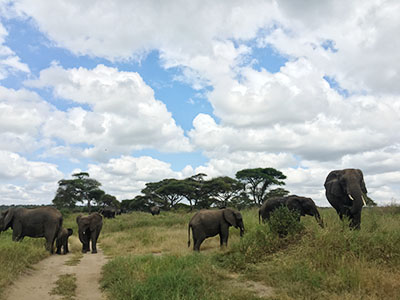
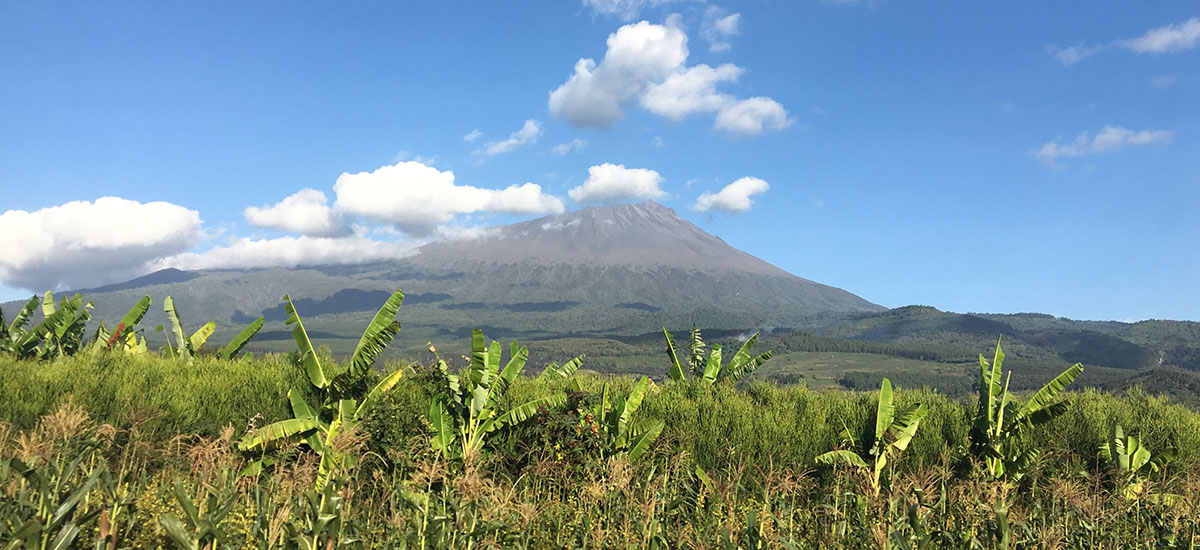
Tanzania is best known for its beautiful national parks, many of which are located in the north of the country; the most famous is probably the Serengeti. In the northeast, on the border with Kenya, lies Kibo, at 5895m the highest mountain in Africa, which is part of Kilimanjaro.
Njiwa
Njiwa is a municipality with almost 7,000 inhabitants in the Malinyi District, Morogoro Region in the central south of Tanzania, more than 6,500km away from Austria as the crow flies.
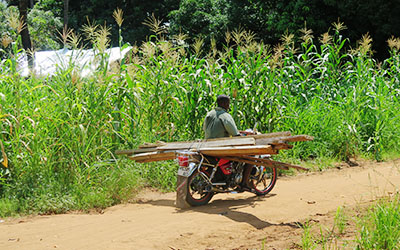
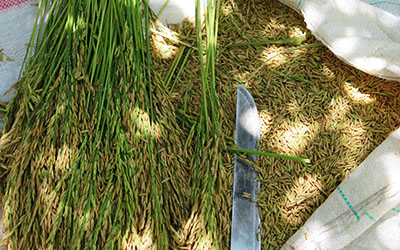
The community lies in the Kilombero Valley, often called the ‘breadbasket of East Africa.’ More than 90% of the population depends on agriculture, so climate change is having a much more severe impact here than in Europe. For the past few years, the intensity and duration of the previously regular and vital rainy seasons have been changing—sometimes they have failed completely. Without sufficient knowledge about how to cope with these changes, many people cannot ensure their families’ food security.
What developmental steps do we want to take together with the people here? Here you can learn more.